How to lose weight: a step-by-step guide
To lose weight you need to be in a calorie deficit — eating fewer calories than your body burns (TDEE). Everything else just helps the deficit stay sustainable and makes sure you lose fat, not muscle: enough protein (1.8–2.2 g/kg), strength training, more movement, good sleep and patience. Aim for ~0.5–1% of body weight per week (roughly 300–500 kcal less per day). There's no magic food or diet — what matters is your overall calorie balance over time and consistency.
Build a weight-loss plan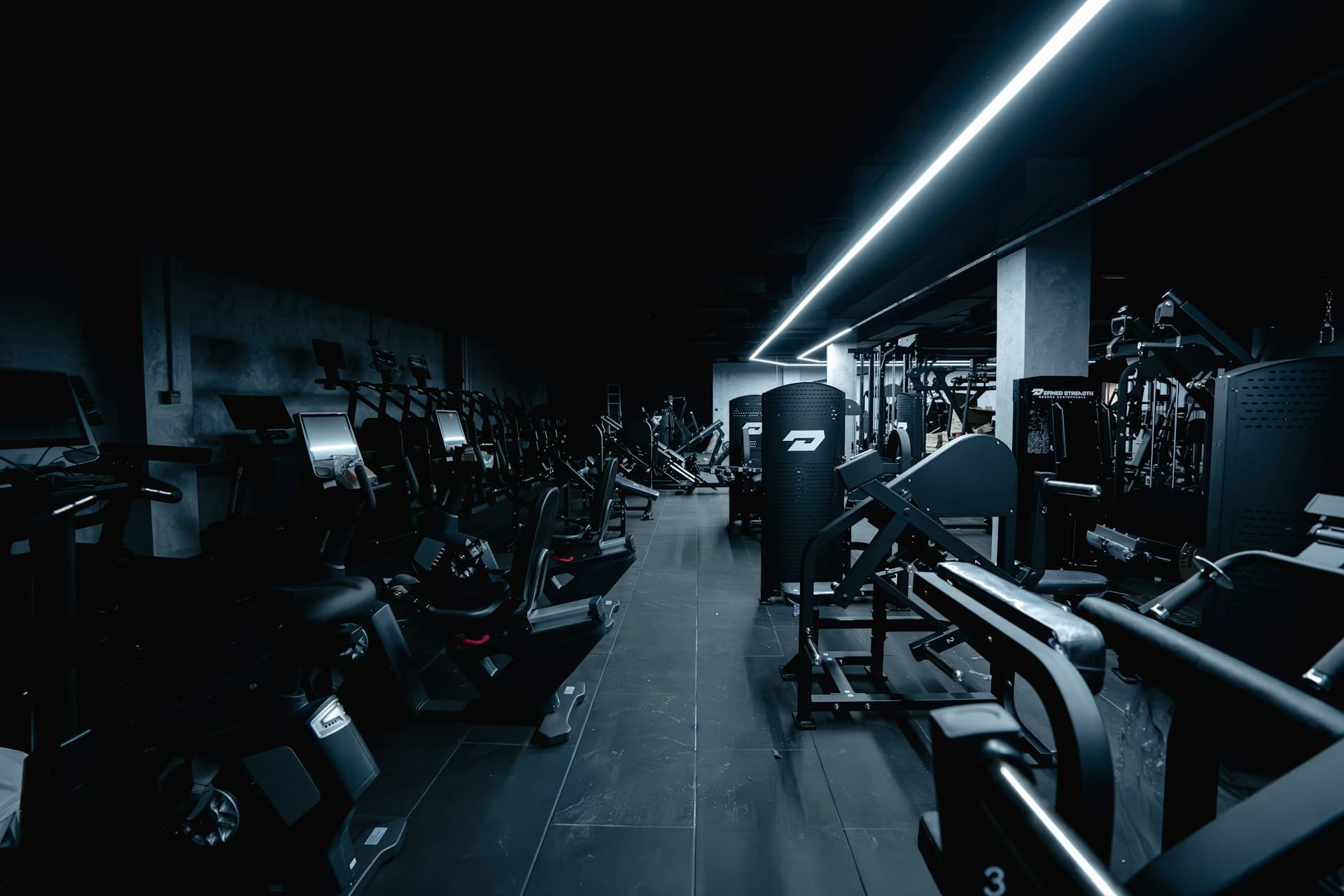
How to lose weight in 6 steps
Create a calorie deficit
Work out your expenditure (TDEE), then subtract 15–20% (about 300–500 kcal). That's a pace of ~0.5 kg a week without much hunger.
Eat enough protein
1.8–2.2 g per kg per day — protein is the most filling and preserves muscle in a deficit, so you lose fat instead of muscle.
Train for strength
Lifting 3–5× a week signals your body to keep muscle. Without training, some of the weight you lose will be muscle, not just fat.
Move more every day
Steps, walks and stairs (NEAT) burn more calories than you think — it's easier to add movement than to keep cutting food.
Sleep and manage stress
Too little sleep increases hunger and makes weight loss harder. Aim for 7–9 hours; stress and hormones affect appetite and water retention.
Track progress and be patient
Weigh in and measure your waist weekly and follow the trend, not daily swings. If it stalls for 2–3 weeks, cut another ~100–200 kcal or add movement.
Start with the numbers: calorie calculator · calorie deficit · meal plan. The calorie table by sex and age is in how many calories a day to lose weight, and meal timing in what to eat before and after a workout. For a starting reference on weight there is the BMI calculator.
Common mistakes
Too large a deficit
Starving slows you down, eats muscle and leads to bingeing. A moderate deficit is faster and easier long term.
Too little protein
Without enough protein you lose muscle along with fat and stall sooner. Keep protein high in a deficit.
Only cardio, no lifting
Cardio burns calories, but strength training is what keeps muscle and shapes your body as you lose weight.
Frequently asked questions
What's the fastest way to lose weight?
The fastest sustainable way is a moderate deficit (~15–20% of TDEE), roughly 0.5–1 kg a week. Faster than that usually means muscle loss, hunger and rebound.
How many calories should I eat to lose weight?
About 15–20% below your TDEE (300–500 kcal). Work out your TDEE with the calculator, then subtract that for a sustainable deficit.
Can I lose weight without exercise?
You can with diet alone (a deficit), but without strength training some of the weight you lose will be muscle. Training keeps muscle and shapes your body.
Why am I not losing weight in a deficit?
Usually: underestimated intake, overestimated burn, or a drop in expenditure as you lose weight. Recalculate TDEE and track intake precisely for a week or two.
How much protein to lose weight?
1.8–2.2 g per kg of body weight — it keeps you full and preserves muscle while you're in a deficit.
Will I regain the weight?
If you go back to your old habits, yes. So aim for a gradual pace and habits you can keep for good, not a short crash diet.
Your weight-loss plan
MicroPlan sets your calories, macros and training for weight loss and tracks your progress — free, no account.
Open the app