What to eat before and after a workout
Before training, eat carbohydrates with some protein, 1–3 hours ahead; after training, 20–40 g of protein with carbohydrates, within a couple of hours. That is the whole of it. Everything else — the exact minute, a shake the second you rack the bar, special drinks — matters far less than whether your daily calories and protein match your goal. Timing fine-tunes the result; the daily total decides it.
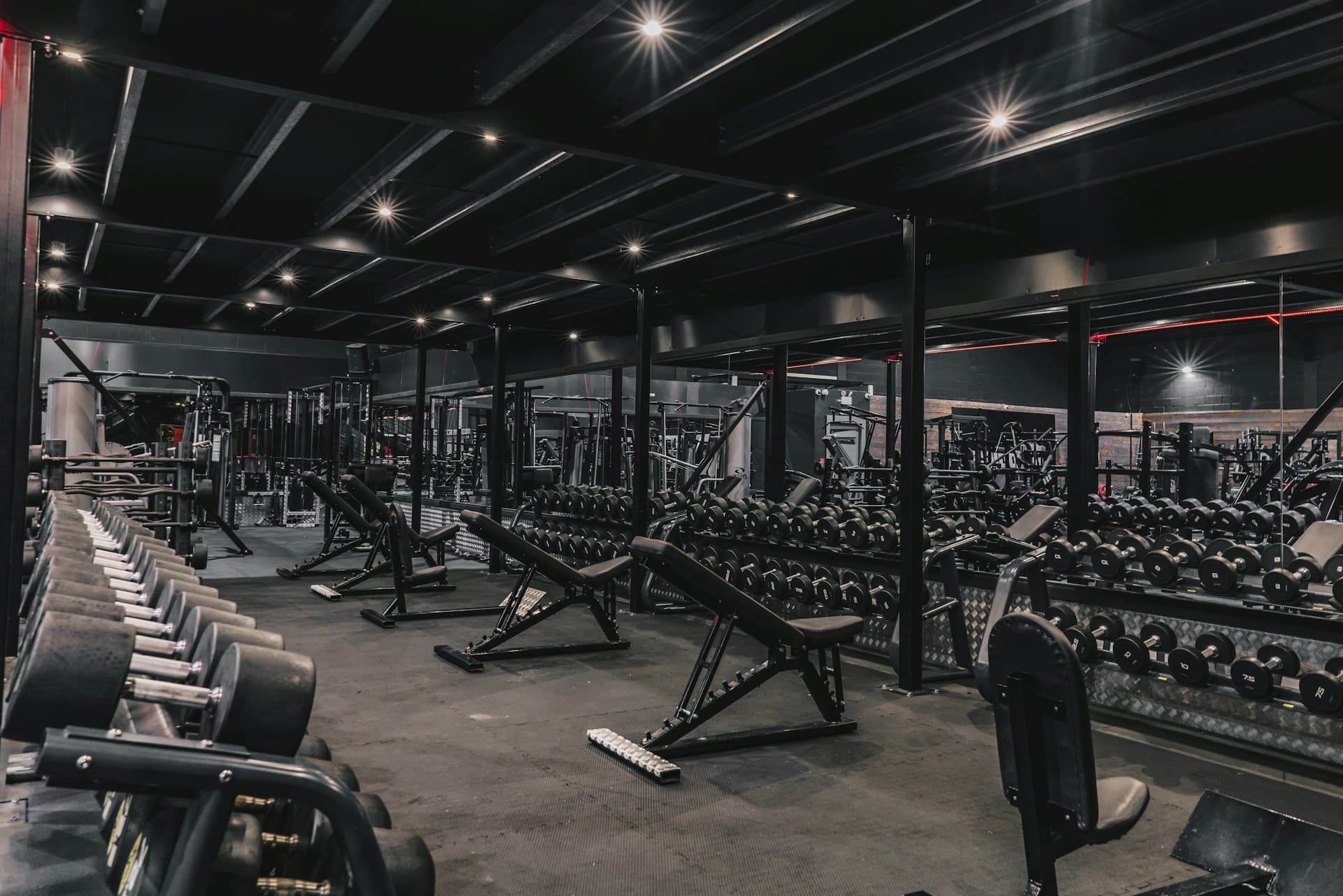
What to eat before a workout
The pre-workout meal has a simple job: give you energy for every working set without your stomach getting in the way. So the size and make-up are chosen by how much time you have before you train.
| Time before | What to eat | Example |
|---|---|---|
| 3 hours | Full meal: protein + carbs + some fat | Chicken, rice, vegetables |
| 1–2 hours | Lighter meal, less fat and fibre | Greek yoghurt with fruit and oats |
| 30–60 min | Fast carbs, little or no fat | Banana, bread with honey |
| Under 30 min | Little or nothing; liquid if needed | Fruit juice, a scoop in water |
Fat and fibre slow gastric emptying. They are an excellent choice three hours out and a poor one fifteen minutes out.
Protein before training is not mandatory, but it helps — 20–30 g in a meal 1–3 hours ahead means amino acids are already circulating while you train, which makes it far less urgent to eat quickly afterwards.
How many calories and how much protein you actually need: Calorie & macro calculator · Protein intake
What to eat after a workout
After training you need two things: protein to repair and build muscle and carbohydrates to restock fuel. The practical target is 20–40 g of protein plus a carbohydrate portion that fits your daily plan.
- If you ate 1–2 hours before, there is no rush at all. Your normal next meal does the job.
- If you trained fasted, the meal after matters more — eat within the hour.
- If you train twice a day, carbohydrates after the first session genuinely matter for the second.
- If your goal is fat loss, the post-workout meal is not an addition to the daily plan — it is part of the same calorie total.
Is the 30-minute „anabolic window” real
The idea that muscle wastes away unless protein arrives within half an hour is a simplification that has outlived its usefulness. In practice, total daily protein matters several times more than the minute.
What is worth keeping from the idea: do not go six hours after training without protein. A two to three hour window around training is precise enough for anyone who is not competing professionally.
Training fasted in the morning
Fasted training is neither better nor worse for fat loss — what decides it is whether you stay in a daily deficit. Some people prefer mornings because their stomach is settled; others lose strength and cut the session short, which costs more than it gains.
- For light cardio or a walk, fasted is perfectly fine.
- For heavy strength work it usually pays to have something: a banana, a slice of bread or a scoop of protein 20–30 minutes ahead.
- If you do train fasted, make the post-workout meal your first priority, weighted towards protein.
- Try both for two weeks each and see which one grows the load on the bar. That is the only test worth running.
Concrete meal examples
Combinations that cover the most common training schedules:
| When you train | Before | After |
|---|---|---|
| Morning, 7am | Banana + a scoop in water | Three-egg scramble, bread, fruit |
| Lunch break | Oats with yoghurt (2h before) | Chicken, rice, vegetables |
| After work, 6pm | Yoghurt and fruit (1h before) | Fish or beef, potato, salad |
| Late, 9pm | Bread with honey | Cottage cheese with fruit |
These are templates, not recipes — swap in foods you actually eat, and just keep the ratio: carbs before, protein plus carbs after.
To have this built around your calories automatically: Meal plan · MicroPlan planner
How many carbohydrates before training
Carbohydrates are the main fuel for hard work, but the amount is not one-size-fits-all — it depends on how long and how hard the session is. A short strength session needs little; a long session or a double day needs noticeably more.
| Session type and length | Carbs before | Example |
|---|---|---|
| Strength, up to 60 min | 30–50 g | Banana + slice of bread |
| Strength, 60–90 min | 50–80 g | Oats with fruit and yoghurt |
| Easy cardio, up to 45 min | 0–30 g or nothing | Fruit or nothing |
| Long session, 90 min and up | 80 g and up, plus during | Meal 3 h before + a drink during |
These grams are not added to the daily plan — they are part of the same total. If you are in a deficit, move carbohydrates from other meals towards training rather than adding them on top.
Caffeine: how much, when and for whom
Caffeine is one of the few supplements that genuinely helps performance — it lowers perceived effort, so the last set is easier to finish. The usual recommendation for that effect is 3–6 mg per kilogram of body weight, 30–60 minutes before training.
| Body weight | Lower dose (3 mg/kg) | Higher dose (6 mg/kg) | Roughly |
|---|---|---|---|
| 60 kg | 180 mg | 360 mg | 2–4 cups of filter coffee |
| 75 kg | 225 mg | 450 mg | 2–5 cups |
| 90 kg | 270 mg | 540 mg | 3–6 cups |
For reference: a cup of filter coffee carries about 90 mg, an espresso about 70 mg. The top of the range is unnecessarily high for most people and often brings jitters and a racing heart.
- If you train in the evening, count the cost to sleep. Caffeine clears slowly — half the dose is still present five to six hours later. A 7pm coffee can wreck 11pm sleep, and sleep is part of recovery.
- Do not take it every session if you want it to keep working. Tolerance builds; save the larger doses for hard days.
- Pre-workout drinks are mostly caffeine plus ingredients that rarely change the outcome. Plain coffee does the same job for less.
- If it spikes your heart rate or anxiety, start at 1–2 mg/kg or skip it — no amount of performance is worth a bad session and a bad night.
Water and electrolytes
Dehydration lowers performance before thirst shows up. In practice: 300–500 ml of water in the hour before training and roughly the same during it, more if you sweat heavily or it is hot.
Sports drinks with electrolytes make sense for sessions over about ninety minutes or in serious heat. For a standard 50-minute strength session water is enough, and the drink is just 150 unplanned calories.
What not to eat right before training
- Fatty and fried food — it sits in the stomach and weighs on your first sets.
- Large amounts of fibre — legumes and a pile of raw vegetables right before squats rarely end well.
- An unfamiliar meal on an important training day. Test new food on easy days, not when you are chasing a record.
- Too much caffeine too late. It helps performance, but if you train in the evening it can wreck your sleep — and sleep is part of recovery.
If you have diabetes, reflux, irritable bowel syndrome, or take medication tied to meals — agree your meal timing around training with a doctor or dietitian. These are general guidelines for healthy adults and are not medical advice.
Tie this to the rest of the plan: Body recomposition · Workout plan
In short
- Before training: carbs with some protein, 1–3 hours ahead; the closer to the session, the lighter.
- After training: 20–40 g of protein with carbohydrates, within a couple of hours.
- The 30-minute „anabolic window” is a simplification — the daily total beats the minute.
- Fasted training is not better for fat loss; choose it based on where you train better.
- Avoid fatty, fried and high-fibre food right before; drink 300–500 ml of water an hour ahead.
Frequently asked questions
What should I eat before a morning workout?
With 30–60 minutes, a banana or bread with honey is enough, optionally with a scoop of protein. With 1–2 hours, a lighter meal such as oats with yoghurt is better.
Do I have to eat immediately after training?
No. If you ate within two hours before the session, your normal next meal is entirely sufficient. Hurrying only matters if you trained fasted or have a second session the same day.
How much protein after a workout?
Around 20–40 g depending on body weight. It matters more that your daily total reaches 1.8–2.2 g per kilogram than exactly how much lands in the post-workout meal.
Is fasted training better for fat loss?
Not by itself. Fat loss is decided by the daily calorie deficit, not by whether the meal came before or after training. Pick the version where you train better and can stick with it.
Do I need pre-workout supplements?
No. Caffeine can help performance, and creatine is taken daily regardless of when you train. The other ingredients in pre-workout drinks mostly do not change the outcome.
Tools this article uses
Read next
How much protein a day to build muscle
For muscle growth, 1.8–2.2 g of protein per kilogram a day. How much per meal, which sources give most per calorie, and how to do it without meat.
Training 3 days a week: a full body plan for beginners
A ready full body plan for three days a week: three sessions, exact exercises, sets and reps, how to pick your loads and how to progress weekly.
How many calories a day to lose weight
How many calories a day to lose weight: your TDEE minus 15–20%. A table by sex, age and weight, the formula, and realistic weekly loss.